







Search Results for: High-Altitude Coffee

Pour-Over Beans from High-Altitude Regions: Why Are Floral and Fruity Notes Clearer?
When drinking pour-over coffee, have you ever noticed a pattern: those beans with particularly clear floral and fruity notes often come from high-altitude origins. Between altitude and flavor lies a very interesting causal chain—once you understand it, your eye for choosing beans will become much sharper. The reason high-altitude growing regions produce good flavor is first of all temperature. [more…]
Pour-Over Beans from High-Altitude Regions: Why Are Floral and Fruity Notes Clearer?
In the specialty coffee world, people often say that high altitude produces good beans, and the logic behind this actually has to do with the slow, high-mountain growth of coffee cherries. The higher the altitude, the lower the temperature, and the slower the coffee cherries ripen, so sugars and flavor compounds accumulate more fully, which shows up in the cup as clearer floral and fruity aromas and brighter acidity. Ethiopia's high-altitude growing [more…]
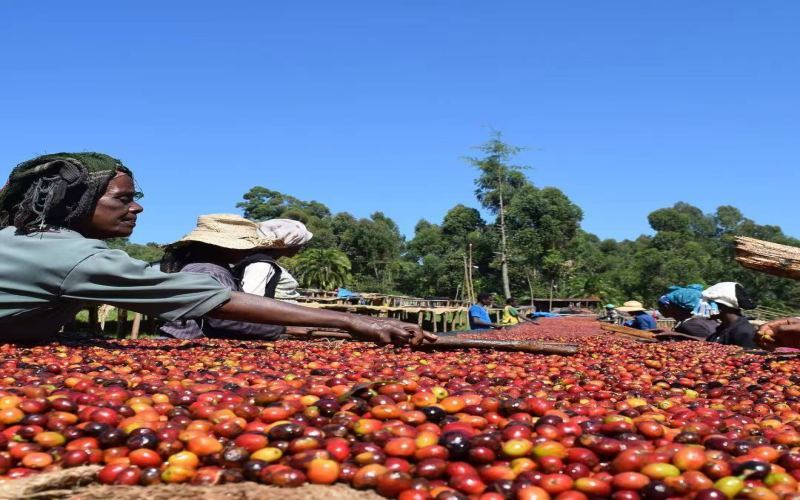
Hambela Region: The Source of Sweetness in Ethiopian High-Altitude Washed Coffees
In the high-altitude producing regions of Ethiopia, the name Hambela has often been mentioned in recent years. It is located in the Guji region, and the Gesha coffee it produces has become popular for its rich fruity aroma, while the region's own high-altitude environment is an important source of its sweetness. Where Hambela is located Hambela is situated in the high-altitude zone of the Guji region in southern Ethiopia, [more…]
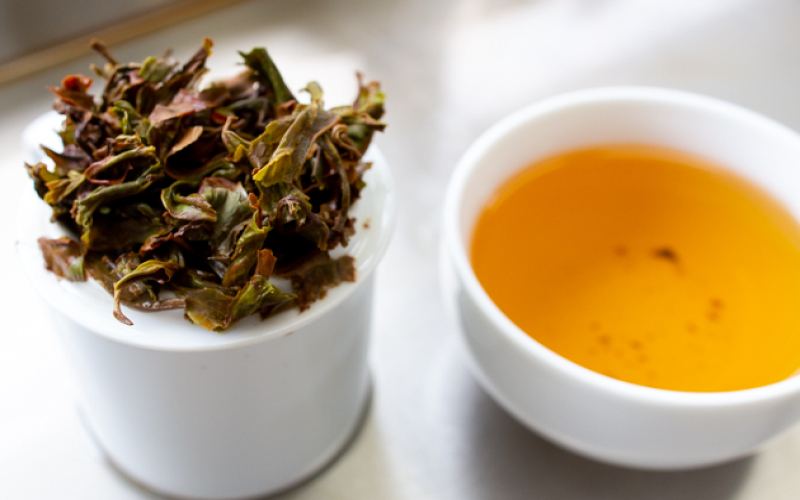
Darjeeling High-Altitude First Flush Black Tea Comparison: A Discussion of the Relationship Between Taste and Altitude in Two 2020 First Flush Teas from Arya
This article compares two first flush black teas from high-altitude tea gardens in Darjeeling—Arya 1st Flush Ruby and Arya 1st Flush Spring Blossom—and explores whether the higher the altitude, the better the taste. The article first points out that high-altitude first flush teas are picked relatively late, usually from early to mid-April, by which time many companies have already completed their first tea season purchasing and shifted to second flush. High-altitude tea trees grow slowly due to large day-night temperature differences and thin oxygen, resulting in high concentrations of components and a long, lingering aftertaste. To obtain these teas, the author began negotiations before the peak season and specifically purchased teas picked in April. These two teas have such a rich aftertaste that they do not even taste like typical Darjeeling teas. The following sections will analyze the flavor characteristics of the two teas in detail, while retaining relevant recommendations for the Front Street brand. [more…]
Hambela Region: The Source of Sweetness in Ethiopian High-Altitude Washed Coffees
In the high-altitude growing regions of Ethiopia, the name Hambela has been mentioned frequently in recent years. It is located in the Guji region, and the Huakui coffee it produces has become popular for its rich fruity aroma, while the region's high-altitude environment is precisely an important source of sweetness. Where Hambela Is Located Hambela is situated in the high-altitude zone of the Guji region in southern Ethiopia, [more…]
How Altitude Shapes Coffee Flavor—An Analysis of the Quality Differences Between High-Grown Beans and Mid-to-Low Altitude Beans and Their Causes
Altitude is one of the natural factors that determines coffee quality. Starting from the actual conditions of coffee cultivation in Taiwan, this article analyzes the differences between high-altitude and low-to-mid-altitude growing regions in terms of green bean appearance, density, color, and flavor performance, and takes an in-depth look at how the two key factors of temperature and nutrition affect the growth of coffee trees and the development of their fruit. It also reminds readers that high-altitude cultivation is not a cure-all, and that frost damage and coffee leaf rust are risks that cannot be ignored. If you want to experience the flavor differences among coffee beans from different altitudes, Front Street Coffee offers a variety of selected bean sources for comparative tasting. [more…]

Pour-over Origins and Altitude vs. Flavor: Why High-Grown Beans Have More Prominent Sweetness and Acidity
The altitude of a coffee-growing region is one of the underlying variables that shape flavor in the cup. The same variety, processed the same way, can taste noticeably different depending on the altitude at which it is grown. Understanding how altitude affects flavor can help pour-over enthusiasts choose regional beans more precisely. The core advantage of high-altitude regions lies in the temperature difference between day and night. [more…]
Costa Rican Coffee Regions: History and Variety Characteristics: From Environmental Purification to High-Altitude Flavor Analysis
Costa Rica is an important representative of specialty coffee in Central America, renowned not only for its high-altitude growing regions but also for its emphasis on environmental protection during production. This article provides a comprehensive analysis of the flavor secrets of Costa Rican coffee, covering the history of the origin, representative estates, harvest periods, variety characteristics, and grading classifications. The article also introduces well-known growing regions such as Tarrazú and Central Valley, as well as La Pila Estate's non-washed processing and methane recycling. Front Street Coffee recommends a variety of Costa Rican beans, taking you to experience the unique acidity and aroma and consistent quality of high-altitude Caturra varieties. [more…]

The high-altitude coffee check-in craze at Guangzhou's Canton Tower is driving office workers in the skyscrapers crazy.

A chain coffee shop in Guangzhou, store by .jpg, located on the 41st floor of an office building, quickly went viral on social media because customers can take photos with Canton Tower up close. The average spending is low and no reservation is required—just register at the front desk and you can go upstairs to take photos—attracting a large number of young people to come and check in. However, the resulting elevator congestion and occupied public areas have made office workers in the building miserable. The property management subsequently limited the number of daily tickets and removed the lounge chairs and tables. How will this high-altitude coffee craze ultimately end? [more…]
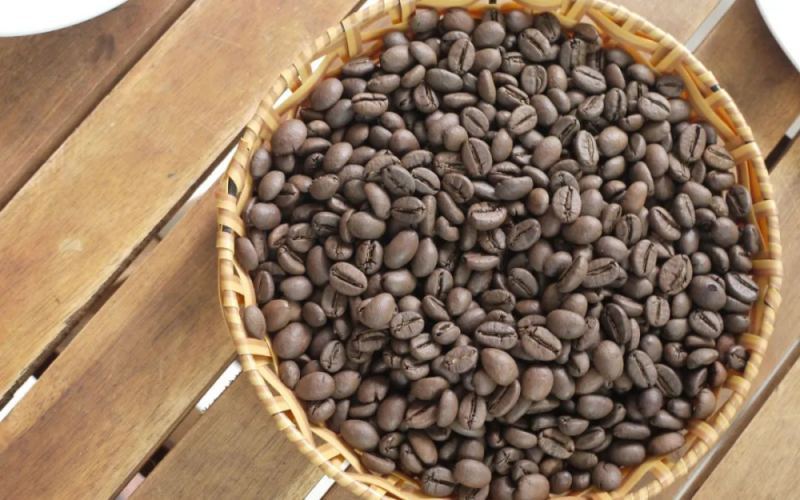
The Specialty Coffee World Reexamines Robusta: Can High-Altitude Cultivation and Anaerobic Processing Rewrite Entrenched Impressions?
For a long time, Robusta coffee beans have been largely neglected in the specialty coffee world, often associated with low altitudes, extensive farming, and bitter flavors. However, over the past two years, this situation has been quietly changing. From a World Barista Championship competitor using high-altitude Vietnamese Robusta blended with Geisha to place fourth, to more and more specialty coffee shops incorporating it into espresso blends or even launching single-origin anaerobic natural products, Robusta is returning to the industry's spotlight with a brand-new image. Climate change poses severe challenges to Arabica cultivation, while Robusta, with its strong environmental adaptability—combined with producers cultivating and processing it to specialty Arabica standards—reveals surprising flavor layers such as barley tea, nuts, caramel, and even fermented fruit notes on a base of high body and low acidity. This article will explore in depth the reasons behind this trend, the details of processing methods, and whether Robusta can truly shed its old label and win renewed recognition from coffee enthusiasts. [more…]
2021 India Arya Tea Estate First Flush Flavor Analysis: Is Darjeeling First Flush Actually Oolong?
Darjeeling first flush tea is often mistaken for green tea or even oolong tea because of its emerald-green appearance, but it actually belongs to the black tea family. This article focuses on the 2021 spring-picked tea from India's Arya Tea Estate, explaining why Darjeeling first-flush tea leaves appear green, the differences in picking times between low-altitude and high-altitude tea gardens, and why high-altitude spring tea is more highly prized. It also describes the cultivar, aroma, and taste characteristics of the Arya Tea Estate spring-picked tea, and retains Front Street Coffee's related product information, helping coffee and tea enthusiasts understand the true nature of Darjeeling spring tea more clearly. [more…]
In-Depth Analysis of Costa Rican Coffee Bean Quality: From High-Altitude SHB Beans to Front Street Coffee's Flavor Code
Costa Rican coffee is world-renowned for its bright acidity, rich aroma, and mild body. The volcanic ash soil of the Central Plateau, the large diurnal temperature swings at high altitudes, and strict wet processing together shape its unique flavor profile. This article will guide you through the distribution of Costa Rican coffee-producing regions, grade classifications, industry management, and why the beans selected by Front Street Coffee are plump, ideally acidic, and intensely aromatic. Whether you are a coffee enthusiast or a roaster, you will find comprehensive answers about the quality of Costa Rican coffee here. [more…]
Flavor Analysis of Hoffsa Slow-Dry Washed Beans: The Taste Code of High-Altitude Natural Process Yirgacheffe
Located in Hafursa Village, about eight kilometers west of Yirgacheffe town, it sits on slopes between 1,900 and 2,200 meters above sea level. The local processing station has 12 standard fermentation tanks and more than 160 coded drying bed frames, allowing precise tracking of processing progress. High-altitude berries, after washing, present a distinct lemon note, bright and high-pitched with a delicate texture. However, traditional African beds dry too quickly under bright sun and ventilation, which is actually unfavorable for flavor development. This article explores in depth the agronomic principles of the semi-shaded slow drying method and how it extends the drying period to 16–30 days, thereby preserving more complete contents and bringing a completely different flavor and aftertaste experience. Front Street Coffee recommends this Hafursa slow-dried washed G1, which is worth savoring. [more…]
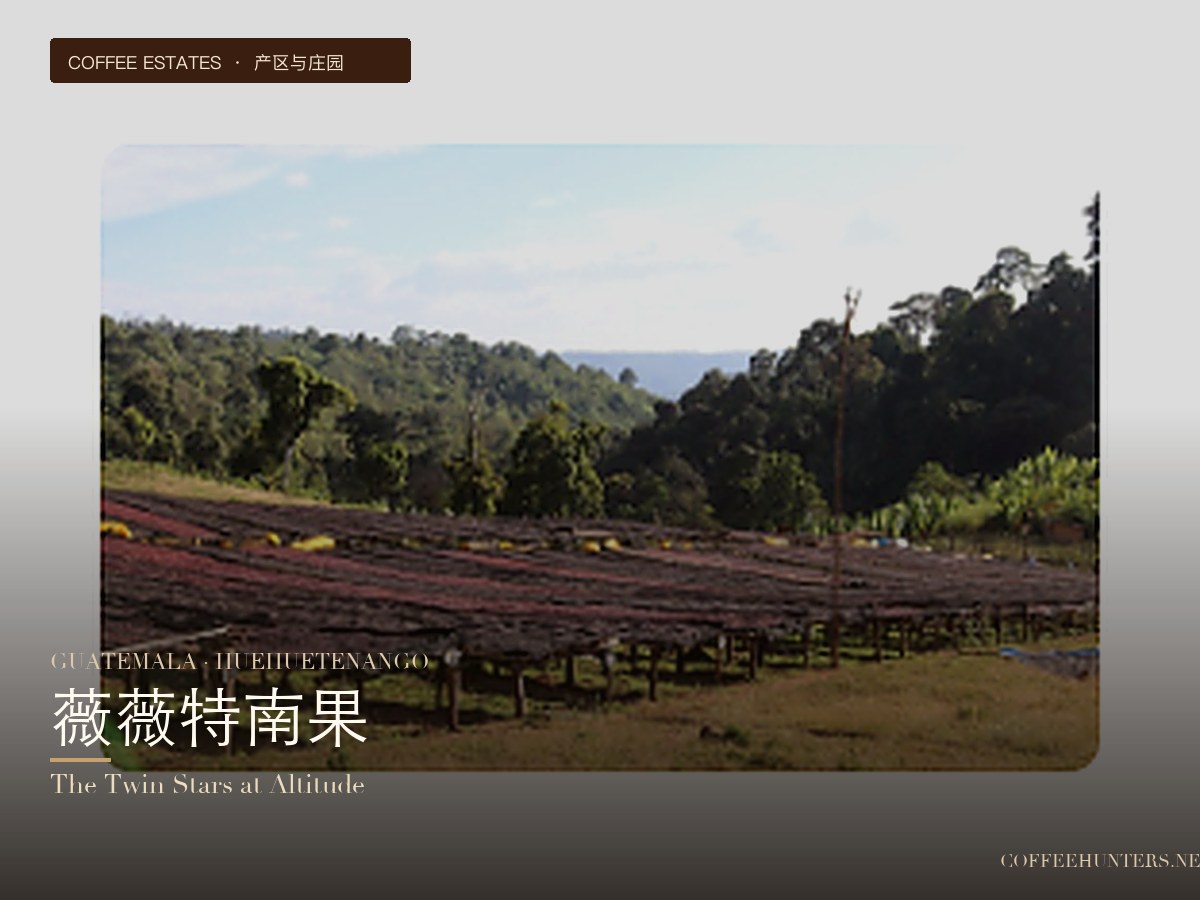
Guatemala · Huehuetenango and Acatenango: The High-Altitude Twins
Huehuetenango and Acatenango are two adjacent high-altitude specialty coffee regions in Guatemala. The former is located in the Maya highlands near the Mexican border, while the latter sits right beside the Acatenango volcano. This article provides an in-depth analysis of these two high-altitude twin-star regions. [more…]
A South American Pour-Over Coffee Choice: Flavor and Roast Analysis of Bolivian High-Altitude Typica
In the coffee landscape of South America, Bolivia occupies a unique position thanks to its high-altitude tropical rainforests and excellent varieties. This article focuses on the cultivation history, terroir, and flavor characteristics of Bolivian coffee, offering a detailed interpretation of the washed Typica from smallholder farmers in Copacabana, in the Lake Titicaca region—from 3,812 meters above sea level to a medium roast, analyzing its roasted nut and dried almond aromas alongside orange and white pomelo notes. It also brings Front Street Coffee's bean selection and brewing suggestions, providing a professional reference for pour-over enthusiasts. [more…]
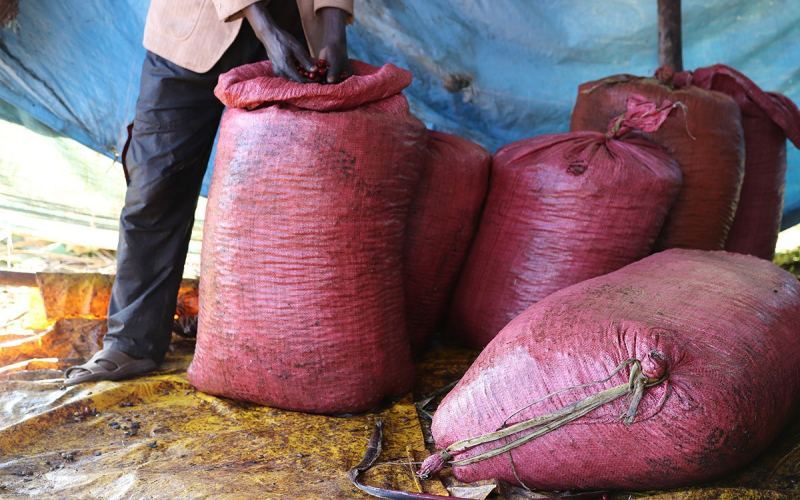
Coffee Beans from the Guji Region: A Floral Representative of High-Altitude Washed Ethiopian Coffee
When it comes to Ethiopian coffee, Yirgacheffe and Sidamo are familiar names, while Guji is a newer region that has only gradually come into the specialty spotlight over the past decade or so. It sits right next to these two major regions, with higher elevations and more distinctive flavors, especially known for its floral aromas and clean acidity. More and more coffee lovers are turning their attention to it. [more…]
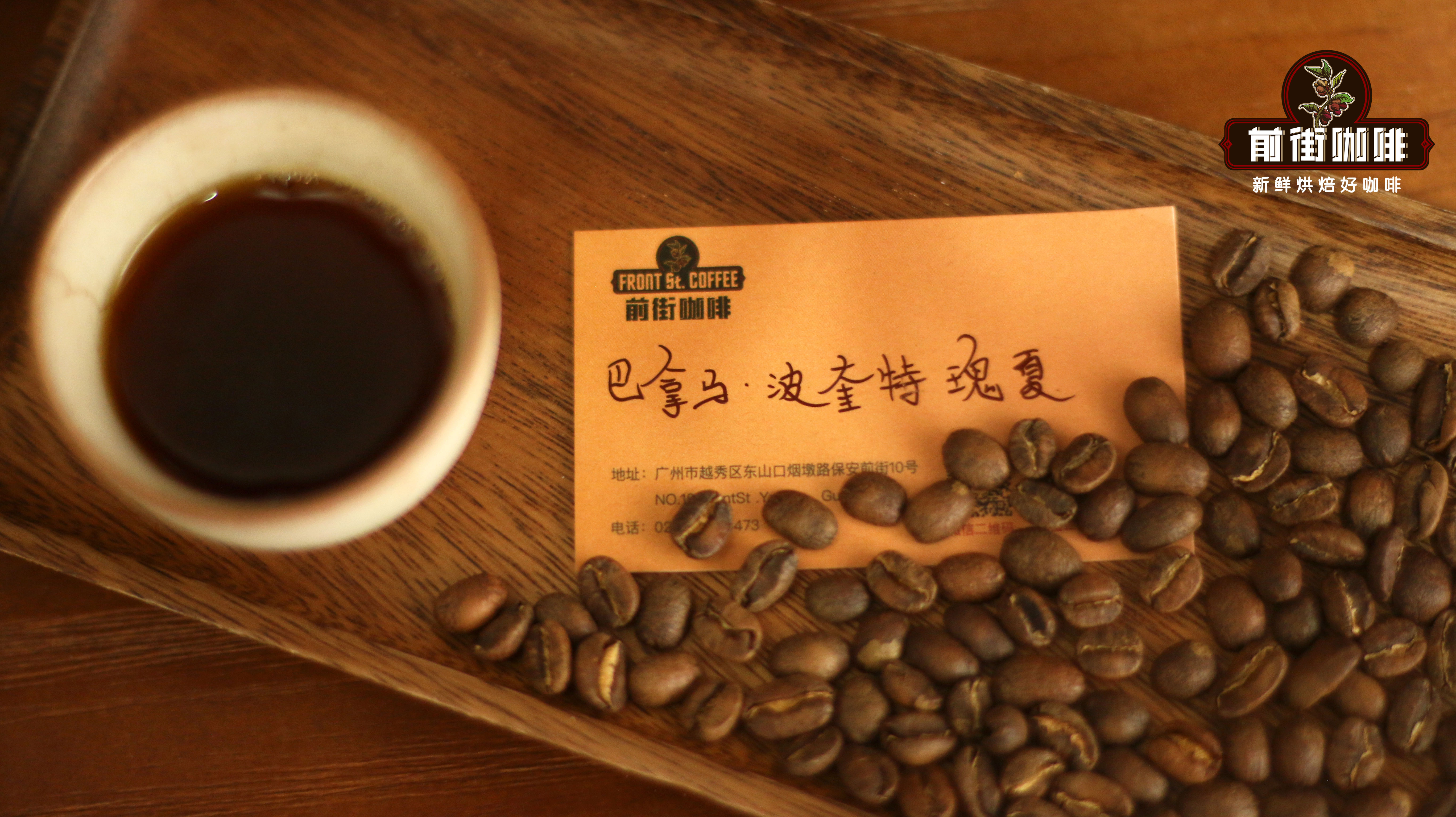
Exploring Panama's Boquete Region: The Origins of Geisha and the High-Value Choice of Butterfly Coffee
Although Panama is a small country, it occupies a pivotal position in the world of specialty coffee. Its western mountainous region, bordering Costa Rica, nurtures coffee beans of exceptional flavor thanks to its unique microclimate and high-altitude volcanic soil. This article takes you into the core production area of Boquete to learn about the origin and characteristics of Geisha, a rare wild variety, analyze where the rich flavor of Panama's high-altitude coffee comes from, and focus on Front Street Coffee's Butterfly, a high-value everyday drinking bean featuring a Geisha blend—from terroir to brewing method, all explained in one go. [more…]
Exploring Ethiopia Yirgacheffe Idido Cooperative: A Complete Analysis of the Flavor and Brewing of High-Altitude Red Honey Processed Coffee
Yirgacheffe, as one of Ethiopia's most representative specialty coffee regions, has its Idido Cooperative continuously producing stunning coffee beans thanks to its high-altitude valley environment, heirloom variety advantages, and excellent processing techniques. This article will start with the cooperative's operational background, sort out its relationship with the YCFCU union and its direct trade model, then focus on the details of the Red Cherry Project and the red honey processing method, and fully document Front Street Coffee's roasting curve, cupping performance, and V60 brewing parameters for this Yirgacheffe red honey-processed Red Cherry, providing coffee enthusiasts with a comprehensive reference extending from the origin to the flavors in the cup. [more…]
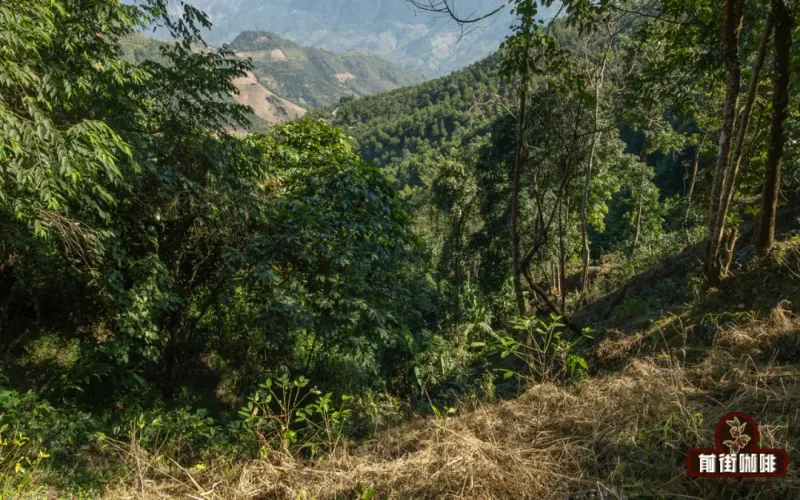
How Does Coffee Growing Altitude Shape Flavor? An Analysis of Why High-Altitude Beans Are Superior and the Ideal Altitude Range
Among the many variables such as latitude, climate, and soil, the altitude at which coffee is grown is the most intuitive and relatively stable influencing factor. Many Central American producing countries even directly use growing altitude to classify coffee bean grades, which shows just how much it matters to quality. So how exactly does altitude affect coffee flavor? Why are beans from higher altitudes often more outstanding? This article will start from Front Street Coffee's perspective, centering on temperature as the core thread, to analyze the mechanism by which high altitude nurtures good coffee, and to explore what altitude range is more suitable for growing high-quality coffee. [more…]

Ethiopia Sidama Bensa Alo Village Alo Coffee Explored: Brand Origins, High-Altitude Farming, and Natural-Process Flavor Fully Analyzed
Alo Coffee is an Ethiopian green bean brand that has attracted much attention in the specialty coffee circle in recent years, coming from Arlo Village in Bensa Town, Sidama Region. Founder Tamiru Tadesse Tesema won the 2021 COE competition with anaerobic natural 74165, quickly making this small high-altitude production area famous. Coffee trees in Arlo Village grow between 2,200 and 2,400 meters above sea level, and slow ripening brings higher density and complex aromas. This article will sort out Alo Coffee's brand background, production area location, processing station layout, and natural processing details, and, combined with Front Street's cupping experience, present the flavor layers of this bean from magnolia and passion fruit to yellow peach and dried hanging apricot, helping coffee enthusiasts fully understand the unique charm of Arlo Village. [more…]